The SMB Disability Solutions Arbor Farm Rural Day Program, colloquially referred to as the “Farm Program,” is a Day Support Services therapeutic agriculture program located in Rochester, Minnesota. The program serves adults with brain injuries, mental health conditions, developmental disabilities, and other physical and neurological disabilities.
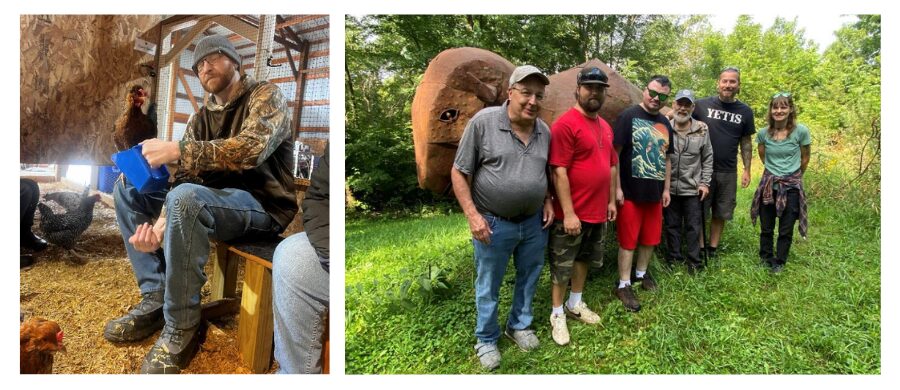
Participants actively engage with each other and staff while learning to grow vegetable crops, herbs, flowers, and medicinal plants both indoors and outdoors, caring for a flock of chickens, and helping to maintain the ecosystem for local wildlife. Through program activities, participants naturally strengthen job skills, life skills, social skills, and therapeutic coping skills.
Located on part of SMB’s 8-acre main office property, the centerpiece of the Farm Program is the 2.5-acre micro farm/garden and nature area, with growing plots and walking paths.
A Brief History
SMB Disability Solutions was founded in 2005 as a residential service provider by owners Steve and Marita Buehler. In 2010, the success of the residential program inspired the SMB team to develop the SMB Day Program. The Day Program focuses on therapy and skill building through social engagement and recreation.
In 2021, Program Director Devin Earlywine joined SMB with a vision shared by Steve and Marita: a program focused on therapeutic agriculture, nature-based programming, and accessibility.
Individuals with disabilities are often limited in the experiences they can have, the skills they can work on, and the supports they can access. Individuals are often put in a box and offered only the services that their geographical area has to offer. It is not often that they are able to experience something outside of this box.
With this in mind, SMB launched the Arbor Farm Rural Day Program, which aims to broaden the experiences available to participants by offering unique and person-centered activities in a nature-based environment.
After several years of development, the Farm Program was piloted in 2023 as a volunteer-based site to ensure the property could support the vision. In June 2024, Program Specialist Niki Lacktorin joined. Bringing a person-centered approach and a
background in horticulture, she was just the right addition as the Farm Program became
licensed and formally launched that July. In 2026, the Farm Program continues to be an
important facet of SMB’s work and mission.
SMB also provides unique experiences and supports personal growth through Adult Foster Care (group homes), Respite Services, Individualized Home Supports (IHS), and Day Support Services (DSS).
Programming
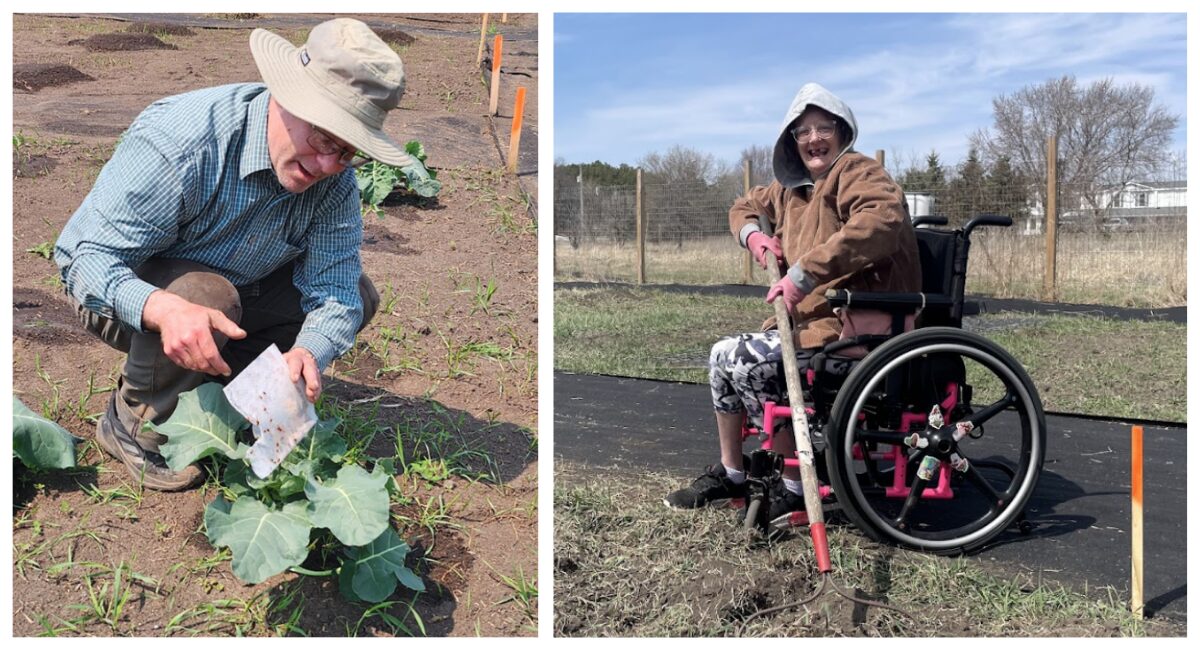
As of 2026, the Farm Program offers programming from 9:00am–2:45pm, five days a week. Programming is designed to meet people where they are at, offering ways for everyone to participate in each activity to their comfort level and ability. For example, when the group builds a chicken coop, every participant will have their hands in the work, sharing in the experience and the final product. SMB uses various tools, devices, and supports to increase accessibility according to each individual’s needs.
In addition to tending vegetables, herbs, and flowers, and more from seed to harvest, participants learn to develop their produce into products such as lip balms, soaps, candles, and salves. They have experienced the medicinal properties of toothache plant; made their own chili oil; learned to press and preserve flowers; tapped, boiled, and finished maple syrup, and more. Participants engage in all aspects of farm life, including seeding, transplanting, harvesting, cleaning, wood working, infrastructure building, tool and equipment usage, cooking, community engagement, and more.
Each season, the program slowly expands and adds something new. Big additions in 2025 included a flock of chickens, several apple trees, and hosting their first-ever community-inclusive Harvest Festival. In 2026, they’re adding a native pollinator garden, outdoor chicken coop, and increasing field accessibility.
The SMB crew has big dreams for the future. They hope to care for more animals such as goats, sheep, or pigs. They would like to host farm-to-table dinners and community education courses where the public can learn from program participants. They intend to increase accessibility every step of the way!